
Menstruation—a natural biological process—has long been surrounded by stigma, misinformation, and societal taboos. Despite progress in many areas of gender equality, menstrual health remains a hushed topic, often wrapped in cultural silence and shame. Recognizing the urgent need to challenge these outdated beliefs, the Wake Up India Foundation (Delhi Chapter), in collaboration with the Rotaract Club, Delhi School of Economics, conducted a Street Play in Delhi to spark awareness and initiate dialogue.
Through the transformative power of street theatre, we sought to challenge misconceptions, educate communities, and create a more inclusive and informed society.
Street Play as a Tool for Change
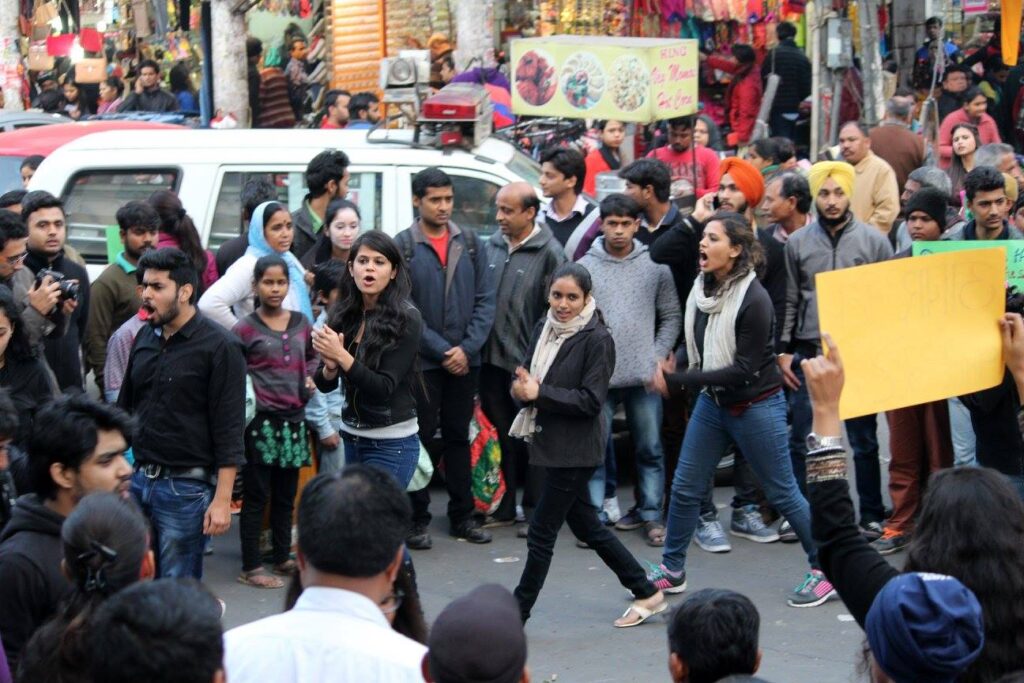
On a vibrant day filled with purpose, the team performed a compelling street play at two high-footfall locations—Kamala Market and Connaught Place. Hundreds of students and passersby stopped in their tracks, drawn to the powerful storytelling and thought-provoking messages woven into the performance.
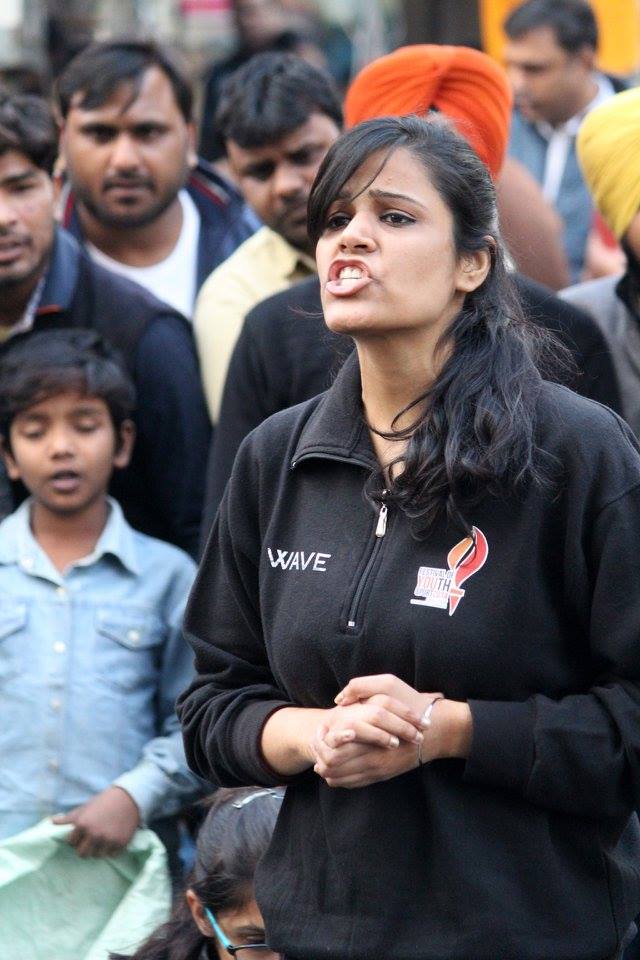
With energetic dialogues, expressive gestures, and raw emotion, the play uncovered the deep-seated myths and superstitions that have long governed conversations around menstruation. It tackled issues such as:
✅ Shame and secrecy surrounding periods
✅ Lack of proper menstrual hygiene awareness
✅ Restrictions imposed on menstruating individuals
✅ The urgent need for better access to menstrual products
The engaging and interactive format of the street play encouraged the audience to reflect on their own biases and beliefs, making it more than just a performance—it was a movement.
A Crowd That Listened, Learned, and Engaged

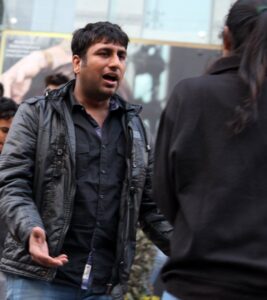

As the play unfolded, expressions changed—from surprise to introspection, and finally, to a shared understanding. Hundreds of students and bystanders, who might have otherwise hesitated to discuss menstruation, found themselves clapping, nodding, and engaging in conversations.
One of the most impactful moments was when members of the audience stepped forward to share personal experiences, breaking their own silence around menstruation. The discussions that followed made it clear: Change begins when we talk openly and break the barriers of shame.
Why This Matters: The Larger Impact
Despite being a natural biological process, menstruation is still viewed as something dirty, impure, or shameful in many parts of India. This stigma leads to serious consequences, including:
🚫 Limited menstrual education in schools
🚫 Inadequate access to menstrual products, especially in underprivileged areas
🚫 Social restrictions placed on menstruating individuals
🚫 Harmful myths that affect physical and mental well-being
By using street theatre as an awareness tool, we are challenging centuries-old norms and promoting a progressive mindset—one performance at a time.
The Road Ahead: Keep the Conversation Going
The street play was just one step in a much larger movement. The Wake Up India Foundation and the Rotaract Club, Delhi School of Economics are committed to continuing this dialogue, spreading awareness, and driving real change through similar initiatives.
How You Can Help:
💡 Educate yourself and others—Break the chain of misinformation.
💡 Support menstrual hygiene initiatives—Donate sanitary products to those in need.
💡 Talk openly about menstruation—Normalize the conversation at home and in schools.
Menstruation is not a curse, a disease, or a secret. It is power, it is health, and it is natural.
Together, let’s rewrite the narrative—one open conversation at a time.
Join the Movement!
📢 Follow Wake Up India Foundation for more impactful initiatives.
📢 Partner with us to take menstrual awareness to more communities.
📢 Be an advocate for change—because every voice matters.


